
How Curation Beats Choice Overload in Niche Shopping
Why choice overload derails niche buyers—and how curated assortments, compatibility rules, and clear recommendations lift confidence, conversion, and reorders.
1) Why generic marketplaces trigger choice overload—and why it shows up as abandonment
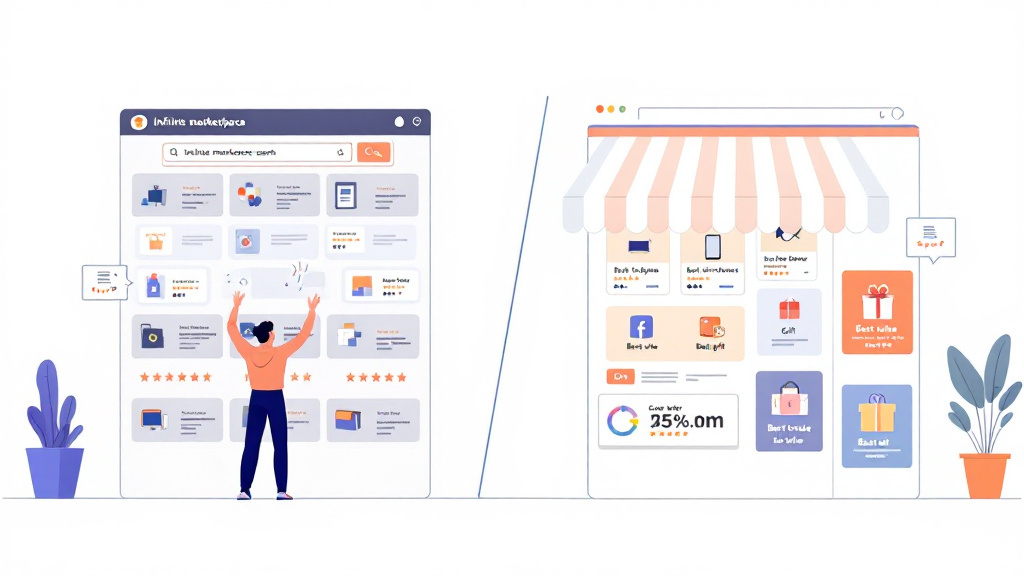
Most people come to niche shopping with a goal (get started, upgrade, or buy a gift), not a desire to research. Yet broad marketplaces present thousands of near-duplicates, mixed quality signals, and inconsistent terminology. In consumer-psychology terms, this is choice-overload: when options outnumber the buyer’s ability to confidently compare them. The result is decision fatigue, second-guessing, and a higher chance the shopper simply closes the tab.
In ecommerce, that mental friction becomes measurable. A buyer who isn’t sure what’s “right” for their use-case hesitates at checkout, picks the safest-looking item (often wrong), or delays the purchase to “read more later.” Returns then spike because products are incompatible or incomplete—especially in specialized hobbies where fit, safety, and accessories matter. This is why niche-retail brands that win tend to reduce cognitive load rather than expand selection: they replace endless scrolling with a clear path to a good decision.
2) How curated-commerce changes buyer behavior: tight assortments, compatibility rules, and “best-for” clarity
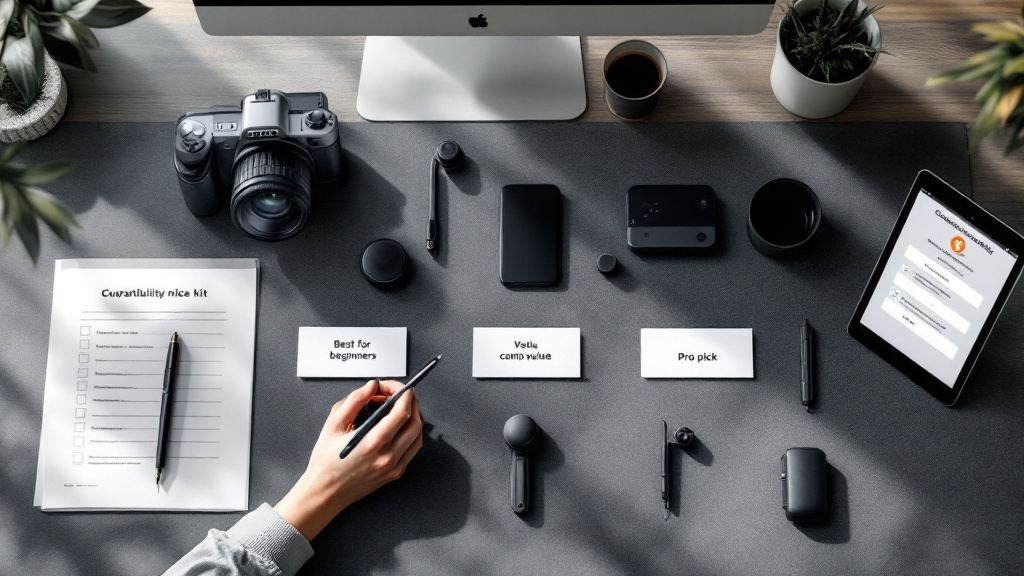
The antidote to choice-overload isn’t “less marketing”—it’s better decision design. Curated-commerce works because it narrows the field to a defensible set, then explains why each option exists. A tight assortment (often 20–50 SKUs) makes comparisons meaningful, while compatibility rules prevent the most common failure mode in specialty purchases: buying items that don’t fit together or don’t match the user’s level. The shopper stops asking “Which of these 300 is legit?” and starts asking “Which of these 5 is best for me?”
Clear “best-for” recommendations—beginner, advanced, small-space, travel, gifting—turn browsing into guided shopping. Add short quizzes, FAQs, and starter kits, and you remove the fear of missing something essential. That’s how brands like NicheKit Collective improve trust and lift conversion-rate: the customer feels seen, the choice feels safe, and the cart is more complete. Importantly, guidance also reduces returns because the purchase is coherent by design, not accidental by chance.
3) From first purchase to repeat orders: building a curated niche retail engine across channels
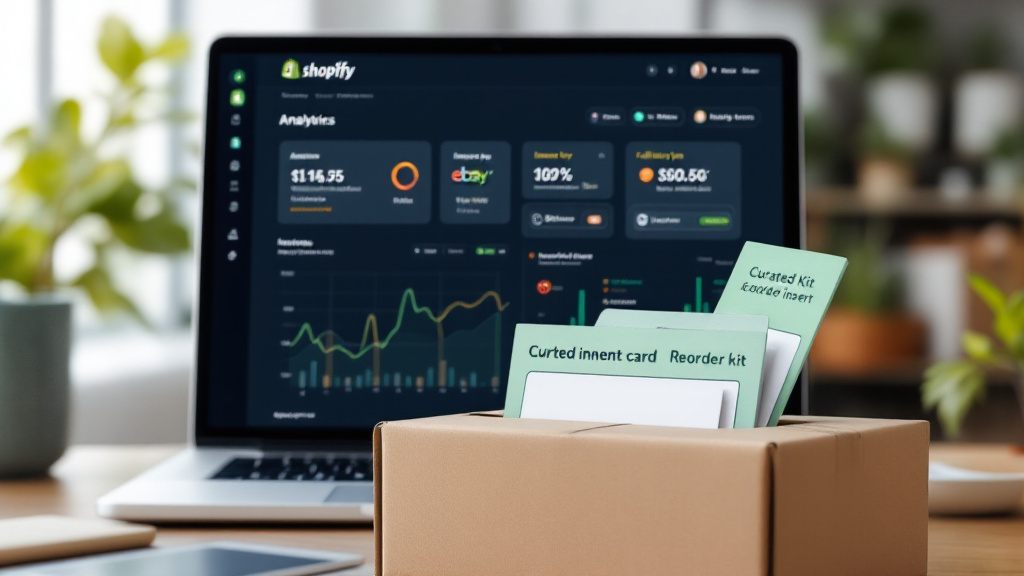
Curation creates the first “yes,” but the real advantage comes from what happens next. In niche-retail, many categories include replenishment or complementary add-ons (consumables, wear parts, seasonal upgrades). When the initial kit is correct and complete, follow-up flows become helpful instead of spammy: a reminder based on typical usage, a one-click reorder page, or a “what to add next” guide. This is where guidance-driven merchandising compounds—buyers return because the store continues to reduce effort.
Operationally, the model scales when the storefront remains the source of truth and best-sellers are syndicated to selected marketplaces with synced inventory and fulfillment. That combination captures discovery traffic without recreating the marketplace chaos on your own site. Track metrics that reflect confidence, not just clicks: add-to-cart rate, returns by reason code, bundle attach rate, and repeat purchase interval. Done well, this is a moonshot play: a curated catalog that feels like expertise, performs like a system, and wins on trust in categories where choice-overload is the default.